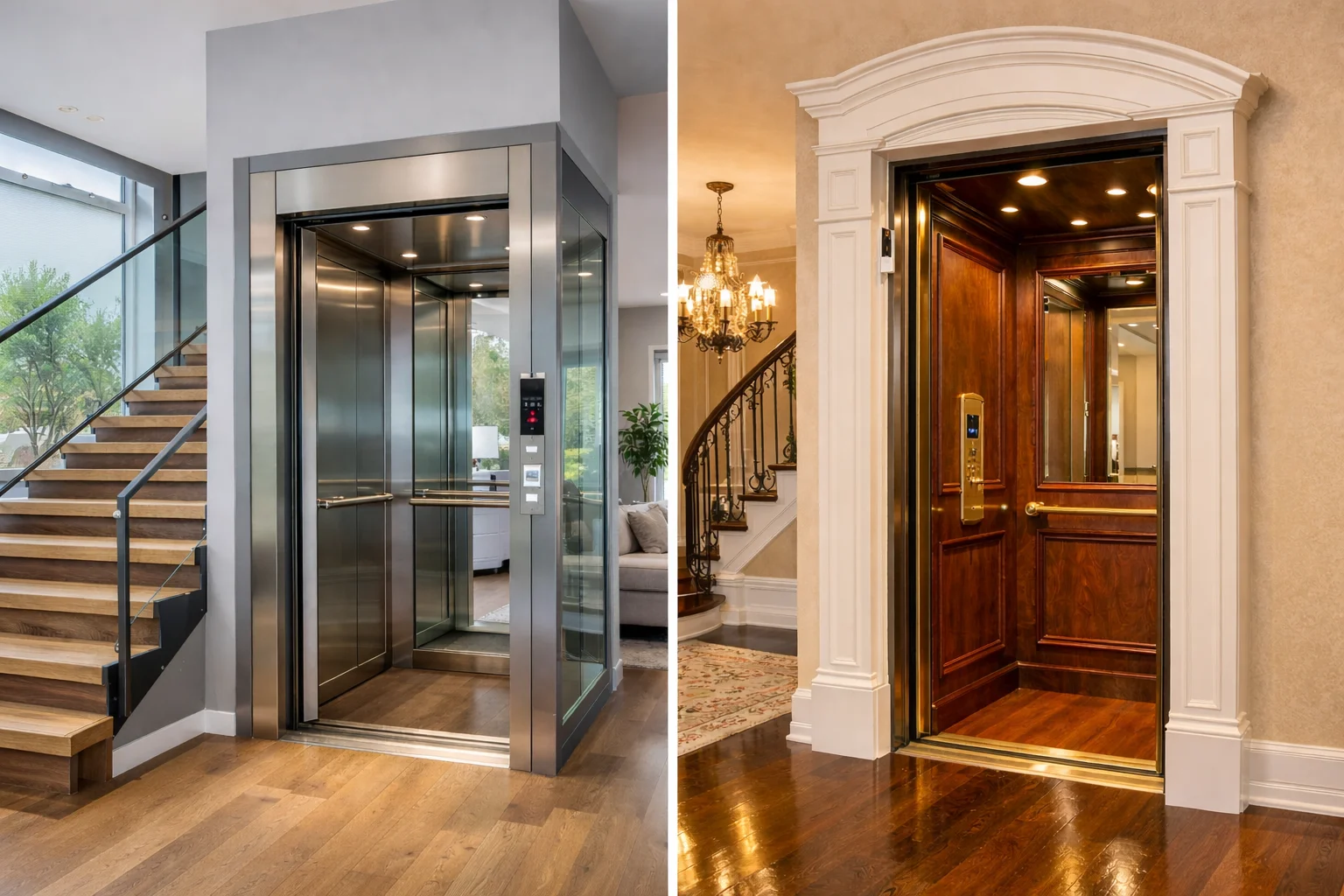
Complete Home Elevator Installation Guide: Everything You Need to Know Before Installing a Residential Lift
Home elevators are no longer considered a luxury reserved only for large mansions or premium residences. Today, homeowners across India are increasingly investing in residential elevators to improve accessibility, convenience, property value, and overall quality of life. Whether you are constructing a new villa, upgrading an existing duplex home, or planning for future accessibility needs, a home elevator can be one of the smartest long-term investments for your property.
Modern home elevators are designed to be compact, energy-efficient, safe, and visually appealing. They provide seamless movement between floors while enhancing the functionality and elegance of residential spaces. However, before installing a residential elevator, it is important to understand the planning process, space requirements, elevator types, safety features, installation procedures, maintenance requirements, and associated costs.
This comprehensive home elevator installation guide will help homeowners make informed decisions and understand everything involved in selecting and installing the perfect elevator for their property.
Why Install a Home Elevator?
The demand for home elevators has grown significantly in recent years due to changing lifestyles and evolving housing designs. Multi-story homes are becoming increasingly common, making vertical transportation an important consideration for homeowners.
One of the biggest advantages of a home elevator is improved accessibility. Elderly family members, individuals with mobility challenges, and people recovering from injuries can move safely between floors without relying on stairs. Home elevators also provide convenience for carrying groceries, luggage, furniture, laundry, and other household items.
In addition to convenience, residential elevators significantly increase property value. Homes equipped with elevators often attract higher resale prices and appeal to a broader range of buyers. A well-designed elevator also adds a premium and luxurious touch to the property.
Types of Home Elevators Available
Choosing the right elevator type is one of the most important decisions during the installation process. Different elevator technologies offer unique advantages depending on the home's structure, budget, and usage requirements.
Hydraulic Home Elevators: Hydraulic elevators use a hydraulic piston system to move the cabin. They offer smooth operation and are suitable for low-rise residential buildings. These elevators are known for their reliability and comfortable ride quality.
Traction Elevators: Traction elevators use ropes and counterweights to move the cabin. They are energy-efficient, fast, and ideal for homes with multiple floors.
Machine Room Less (MRL) Elevators: MRL elevators eliminate the need for a separate machine room, making them ideal for residential projects with limited space.
Glass or Capsule Elevators: These elevators feature panoramic glass cabins and are often selected for luxury villas and premium residential properties.
Villa Elevators: Specifically designed for residential use, villa elevators combine elegant aesthetics with compact designs and advanced safety features.
Home Elevator Space Requirements
One of the most common concerns homeowners have is whether they have enough space for an elevator. Fortunately, modern residential elevators are available in compact configurations designed specifically for homes with limited space.
The required shaft size depends on factors such as elevator type, passenger capacity, and building design. Most home elevators can be installed within a relatively small footprint while still providing comfortable accessibility. A professional site inspection is essential to determine the most suitable elevator solution for your property.
Step-by-Step Home Elevator Installation Process
The installation process begins with a detailed consultation and site assessment. Elevator experts evaluate the building structure, available space, electrical requirements, and homeowner preferences.
After the assessment, engineers prepare detailed plans and recommend suitable elevator models. Once the design is finalized, structural preparations are completed, including shaft construction, pit preparation, and electrical infrastructure installation.
The elevator components are then delivered to the site and installed by trained professionals. This stage includes guide rail installation, cabin assembly, drive system integration, electrical wiring, safety system setup, and control panel configuration.
After installation, extensive testing and quality inspections are conducted to ensure compliance with safety standards and performance requirements. Once all systems pass inspection, the elevator is commissioned and handed over to the homeowner.
Important Safety Features to Look For
Safety should always be the highest priority when selecting a residential elevator. Modern home elevators include advanced safety systems designed to protect passengers under all operating conditions.
Essential safety features include emergency rescue devices, automatic leveling systems, door safety sensors, overload protection, emergency alarms, battery backup systems, anti-slip flooring, emergency communication systems, and intelligent monitoring technologies.
These features help ensure safe operation even during power outages or unexpected situations, providing complete peace of mind for homeowners and their families.
How Much Does a Home Elevator Cost?
Home elevator pricing varies depending on several factors, including elevator type, cabin size, number of floors, customization options, safety features, and installation complexity. Luxury finishes, glass cabins, advanced automation features, and premium materials can also influence the overall project cost.
While the initial investment may seem significant, a home elevator offers long-term value through increased convenience, enhanced accessibility, improved property value, and future-proof living arrangements.
Home Elevator Maintenance Requirements
Regular maintenance is essential for ensuring the safety, reliability, and longevity of your residential elevator. Professional maintenance services typically include inspections, lubrication, safety testing, component adjustments, and preventive servicing.
Scheduled maintenance helps identify potential issues before they become major problems, reducing downtime and extending the life of the elevator system. Most manufacturers recommend periodic inspections conducted by certified technicians.
Benefits of Installing a Home Elevator
Installing a residential elevator offers numerous benefits beyond simple convenience. Homeowners enjoy improved accessibility, enhanced comfort, greater independence for elderly family members, increased property value, and a more luxurious living environment.
Residential elevators also make homes more future-ready by accommodating changing mobility needs over time. As families grow and lifestyles evolve, elevators continue to provide value and convenience for years to come.
Why Choose Potentia Elevators For Home Elevator Installation?
Potentia Elevators specializes in delivering customized residential elevator solutions designed to meet the unique needs of modern homeowners. Our team provides complete turnkey services including consultation, planning, design, installation, testing, and maintenance support.
We utilize premium-quality components, advanced safety technologies, and industry-leading engineering practices to ensure reliable performance and exceptional customer satisfaction. Whether you need a compact home lift or a luxury villa elevator, we provide solutions tailored to your property and lifestyle.
Final Thoughts
Installing a home elevator is a valuable investment that enhances accessibility, convenience, safety, and property value. By understanding the different elevator options, installation requirements, safety features, and maintenance considerations, homeowners can make informed decisions and select the ideal solution for their needs. If you're planning a residential elevator project, Potentia Elevators is ready to help you create a safer, smarter, and more comfortable living environment with expertly designed home elevator solutions.