Passenger Elevator vs Capsule Elevator: Which Is the Right Choice for Your Building?
Elevators have become an essential component of modern buildings, offering convenience, accessibility, and efficient vertical transportation. Whether it is a commercial complex, residential apartment, luxury villa, hotel, shopping mall, hospital, or office building, selecting the right elevator system plays a significant role in both functionality and aesthetics. Among the most popular options available today are Passenger Elevators and Capsule Elevators.
While both elevator types are designed to transport people safely between floors, they differ significantly in terms of appearance, design, applications, installation requirements, and overall user experience. Understanding these differences can help property owners, architects, builders, and developers make the right investment decision.
In this comprehensive guide, we compare Passenger Elevators and Capsule Elevators in detail, covering their features, advantages, limitations, applications, costs, and factors to consider before making a final choice.
What Is a Passenger Elevator?
A Passenger Elevator is a standard elevator system specifically designed to transport people efficiently between multiple floors of a building. These elevators are commonly installed in residential apartments, office buildings, hospitals, schools, hotels, shopping complexes, and commercial facilities.
Passenger elevators focus primarily on functionality, safety, efficiency, and passenger comfort. They are available in a wide range of capacities, speeds, cabin designs, and configurations to suit different building requirements. Modern passenger elevators incorporate advanced technologies that improve ride quality, energy efficiency, and operational reliability.
Because of their versatility and practical design, passenger elevators remain the most widely used vertical transportation solution worldwide.
What Is a Capsule Elevator?
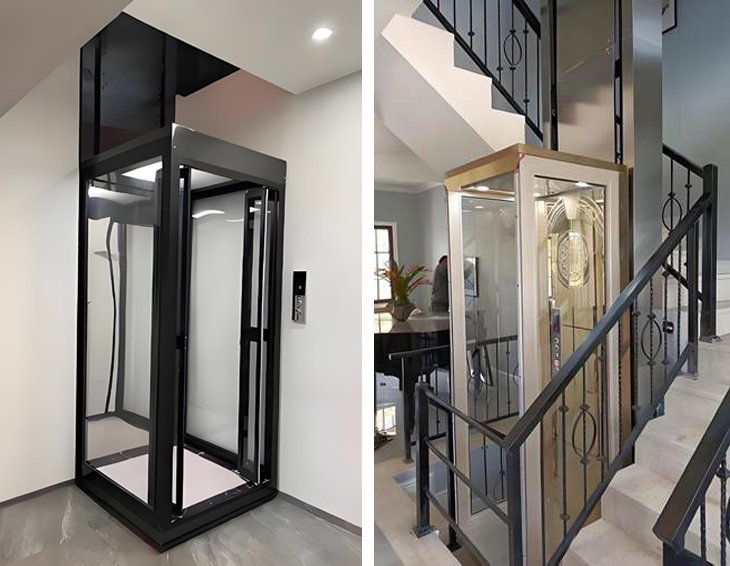
A Capsule Elevator, often referred to as a panoramic or glass elevator, is a premium elevator system designed to combine functionality with architectural elegance. Unlike traditional passenger elevators, capsule elevators feature transparent glass cabins that provide panoramic views during travel.
Capsule elevators are often installed in luxury villas, hotels, shopping malls, airports, commercial complexes, resorts, and high-end residential properties where visual appeal is an important consideration. Their unique design transforms the elevator from a transportation system into a striking architectural feature.
In addition to transporting passengers, capsule elevators enhance the overall aesthetics of a building and create a memorable experience for users.
Design and Appearance
One of the biggest differences between passenger elevators and capsule elevators lies in their visual design. Passenger elevators typically feature enclosed cabins made from stainless steel, laminate panels, decorative finishes, or customized interior materials. Their design emphasizes durability, practicality, and ease of maintenance.
Capsule elevators, on the other hand, are specifically designed to create a luxurious visual impact. Their transparent glass walls allow passengers to enjoy panoramic views while traveling between floors. These elevators often become a centerpiece of the building's architecture and contribute significantly to its premium appearance.
If aesthetics and architectural elegance are important priorities, capsule elevators offer a significant advantage over traditional passenger elevators.
Installation Location
Passenger elevators are highly versatile and can be installed in almost any type of building. They are commonly used in apartments, hospitals, educational institutions, office complexes, shopping centers, and commercial properties.
Capsule elevators are generally installed in locations where visibility and design play a major role. They are frequently found in luxury villas, premium hotels, resorts, shopping malls, corporate headquarters, airports, and commercial landmarks. Their attractive appearance makes them ideal for buildings that want to create a premium impression.
Passenger Capacity and Performance
Passenger elevators are available in a broad range of capacities and are specifically designed to handle high traffic volumes efficiently. They can accommodate varying numbers of passengers depending on the building's requirements and are often used in environments with heavy daily usage.
Capsule elevators are also capable of transporting passengers safely and efficiently, but their design often prioritizes aesthetics over maximum capacity. Although high-capacity capsule elevators are available, they are generally chosen for visual appeal and user experience rather than high-volume transportation requirements.
Cost Comparison
Cost is another important factor when comparing passenger elevators and capsule elevators. Passenger elevators are generally more economical because their construction is relatively straightforward and utilizes standard elevator components.
Capsule elevators typically involve higher manufacturing and installation costs due to the use of tempered glass panels, custom structural designs, premium materials, and specialized engineering requirements. Additional customization options can further increase project costs.
For projects where budget is a primary concern, passenger elevators are usually the more practical option. However, for premium properties seeking luxury appeal, the investment in a capsule elevator can provide substantial long-term value.
Safety Features
Modern passenger elevators and capsule elevators both comply with strict safety standards and incorporate advanced safety technologies. Common safety features include emergency rescue devices, overload protection, door safety sensors, emergency alarms, automatic leveling systems, backup power systems, and intelligent monitoring controls.
Regardless of the elevator type selected, safety should never be compromised. Working with a reputable elevator manufacturer ensures compliance with all applicable safety regulations and industry standards.
Maintenance Requirements
Passenger elevators generally require standard maintenance procedures involving inspections, lubrication, adjustments, and periodic servicing. Because of their simpler construction, maintenance costs are often lower compared to capsule elevators.
Capsule elevators may require additional maintenance due to their glass surfaces, specialized components, decorative elements, and customized structural features. Regular cleaning and inspection are necessary to maintain their premium appearance and performance.
Energy Efficiency
Modern passenger elevators and capsule elevators are designed with energy-efficient technologies such as regenerative drives, LED lighting systems, intelligent standby modes, and optimized control systems. The actual energy consumption depends on usage patterns, elevator size, speed, and installed technologies.
Both elevator types can be configured to support sustainable building objectives while minimizing operating costs.
Best Applications for Passenger Elevators
Passenger elevators are ideal for:
✔ Residential Apartment Buildings
✔ Office Complexes
✔ Educational Institutions
✔ Hospitals and Healthcare Facilities
✔ Government Buildings
✔ Shopping Centers
✔ Commercial Properties
✔ Mixed-Use Developments
Best Applications for Capsule Elevators
Capsule elevators are best suited for:
✔ Luxury Villas and Bungalows
✔ Five-Star Hotels and Resorts
✔ Premium Shopping Malls
✔ Corporate Headquarters
✔ Airports and Transportation Hubs
✔ Commercial Landmarks
✔ Luxury Residential Projects
✔ High-End Mixed-Use Developments
Which Elevator Should You Choose?
The choice between a passenger elevator and a capsule elevator ultimately depends on your project's goals, budget, building type, and architectural vision. If your primary objective is efficient, reliable, and cost-effective passenger transportation, a passenger elevator is often the ideal solution.
However, if you want to create a luxurious visual statement while enhancing the architectural value of your property, a capsule elevator offers unmatched elegance and sophistication. Many premium developments choose capsule elevators specifically to elevate the overall experience of the building.
Architects and developers should evaluate factors such as available space, expected passenger traffic, design objectives, maintenance requirements, and long-term investment value before making a final decision.
Final Thoughts
Both passenger elevators and capsule elevators offer excellent vertical transportation solutions, but they serve different purposes. Passenger elevators excel in practicality, efficiency, and cost-effectiveness, while capsule elevators stand out for their luxury aesthetics and architectural appeal. Understanding the strengths of each option helps property owners choose an elevator system that aligns perfectly with their functional requirements and design aspirations.
At Potentia Elevators, we provide customized passenger elevator and capsule elevator solutions designed to meet the needs of residential, commercial, and industrial projects. Our team of experts can help you select the ideal elevator system based on your building requirements, budget, and long-term goals.